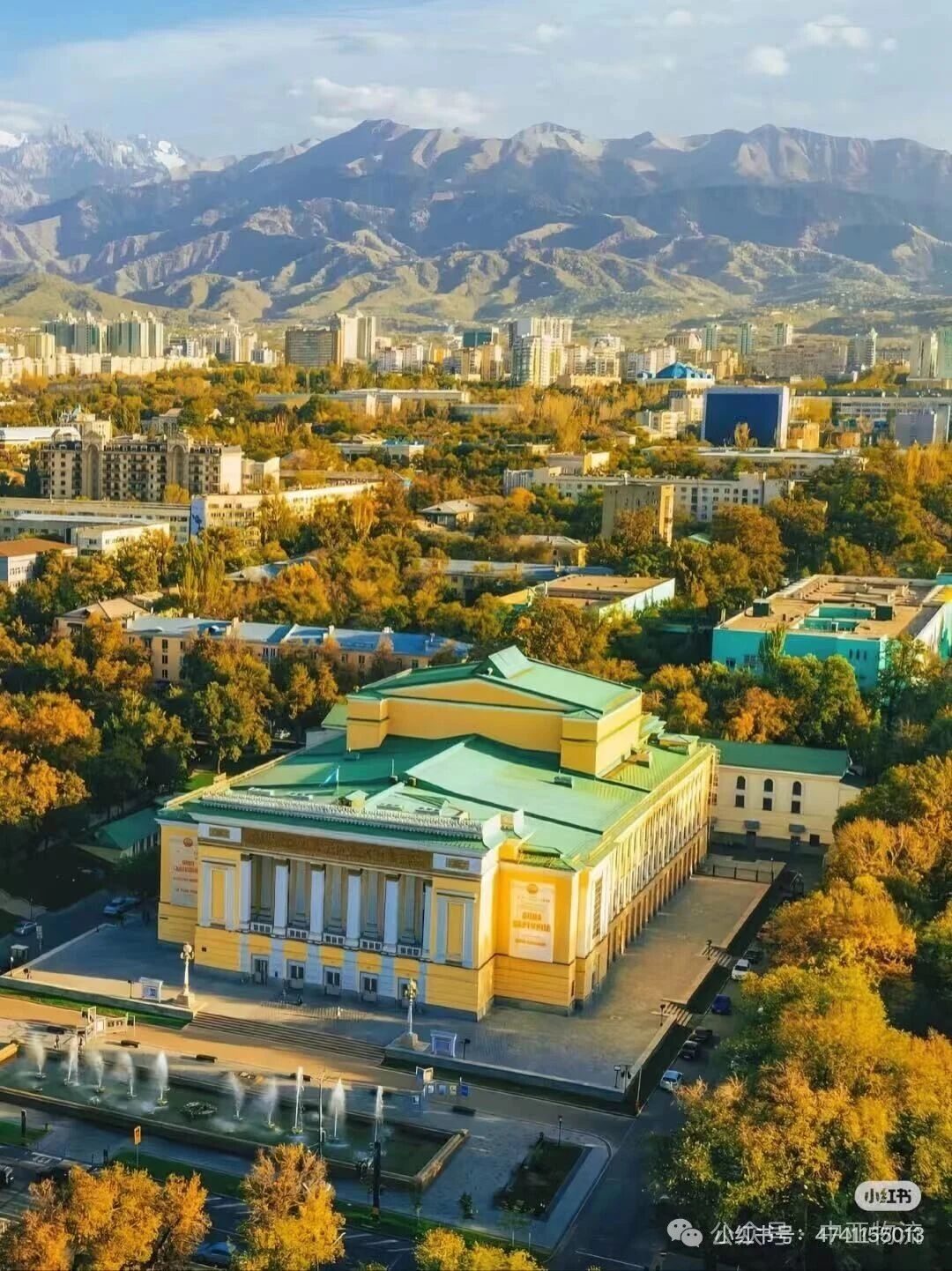
Central Asian countries are heavily influenced by Russian culture, but also retain their local traditions, resulting in different business habits.
1. Kazakhstan
- Business Style: Relatively open, influenced by both Western and Russian factors, emphasizing data and logic in negotiations.
- Centralized Decision-Making: Large enterprises or government projects are typically decided by senior management; identifying key decision-makers is crucial.
- Social Etiquette: Values hospitality and prefers a relaxed business environment, but avoids excessive drinking (more restrained compared to Russia).
2. Uzbekistan
- Relationship-Oriented: Highly reliant on personal networks; success is more likely through local agents or referrals from acquaintances.
- Slow Negotiation Pace: Enjoys bargaining; contracts may require multiple revisions; patience is essential.
- Strong Traditional Values: Respect for elders and authority figures; politeness and formality are required in business settings.
3. Kyrgyzstan & Tajikistan
- Primarily SMEs: Smaller market; customers may prioritize price and flexibility.
- Negotiation Style: Relatively casual, but decisions may be delayed due to family or internal relationships.
- Trust First: Prefers to do business with long-term partners; initial cooperation requires building trust.
4. Turkmenistan
- Government-led Economy: Most large transactions involve the government or state-owned enterprises; processes are rigorous and bureaucratic.
- Conservative Negotiation: Strict vetting of foreign suppliers, requiring detailed qualifications and past cases.
- Low-key Socializing: Compared to other Central Asian countries, business banquets are fewer; formal meetings are emphasized.
Summary
- Kazakhstan: Relatively open, logical, centralized decision-making.
- Uzbekistan: Networking is key; negotiations are slow; strong traditional values.
- Kyrgyzstan & Tajikistan: Many SMEs; price-sensitive; trust is paramount.
- Turkmenistan: Government-led; rigorous processes; conservative negotiation.
Understanding these differences can help facilitate smoother business cooperation!